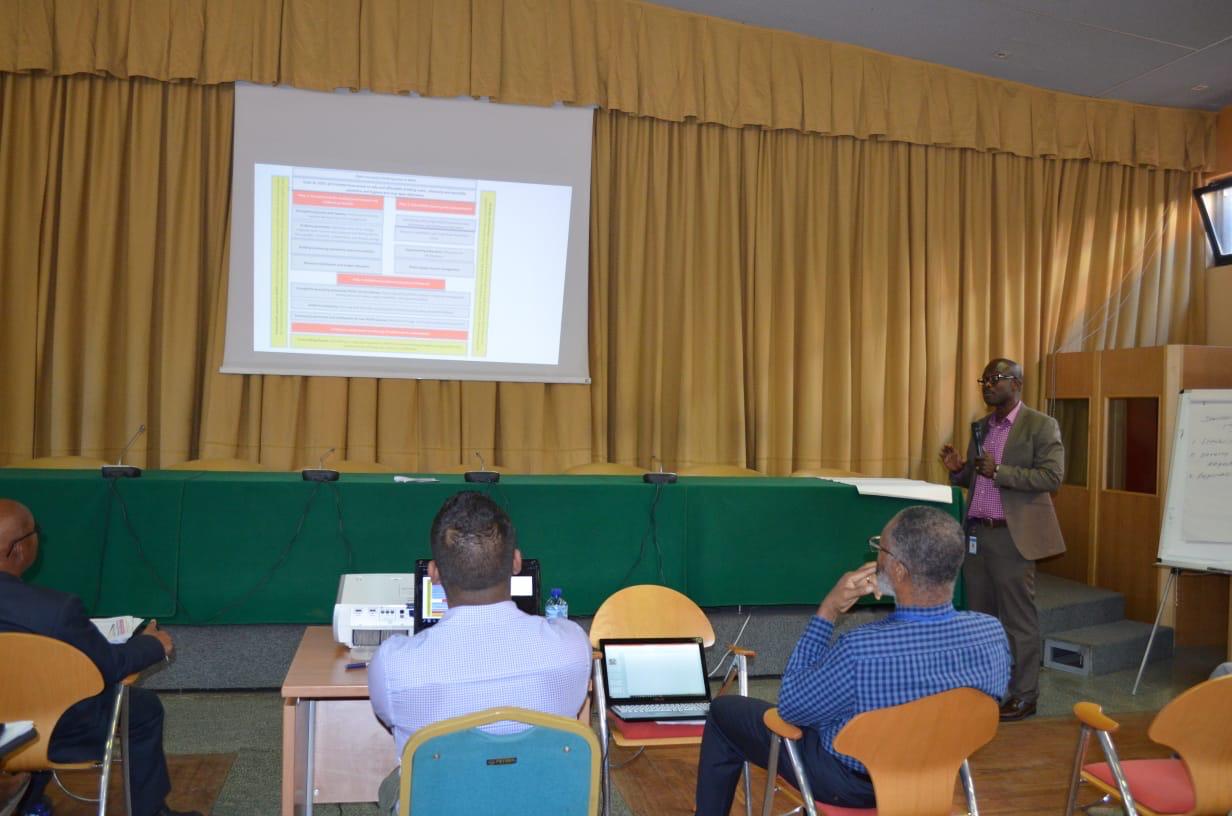
SEP engages participants in real-world, impact-driven work across several core areas that reflect today's most pressing policy and systems challenges. Externs contribute to policy analysis by researching emerging issues, evaluating governance gaps, and developing actionable insights for partner organizations. They also work on systems mapping to understand how institutions, stakeholders, and incentives interact within complex problem spaces. Many projects involve data-driven research, where participants analyze trends, risks, and evidence to support decision-making. SEP also includes strategic communication work, helping externs translate technical findings into clear, compelling narratives for leaders. Together, these areas give participants a holistic, practice-based experience that builds the analytical, strategic, and communication skills needed to contribute meaningfully in professional environments.
Participants in SEP develop a strong set of practical, career-ready capabilities grounded in real-world problem-solving. Through project-based work, they build analytical skills by examining complex policy and systems challenges, identifying root causes, and generating evidence-based insights. They strengthen systems thinking by mapping how institutions, incentives, and stakeholders interact within broader problem environments. SEP also helps participants develop professional communication skills as they translate technical findings into clear, actionable recommendations for partners. In addition, externs gain collaboration and project management experience through team-based work, milestone planning, and iterative feedback. Together, these competencies prepare participants to contribute effectively in policy, governance, research, and strategy roles from day one.
Participants in SEP gain a powerful combination of practical experience, professional validation, and career-advancing support. They gain hands-on exposure to real policy and systems challenges, applying systems thinking to complex issues in a project-based environment. They build career-relevant skills in research, analysis, communication, and strategic problem-solving while working in collaborative teams. Participants also gain professional mentorship from practitioners who guide their work and provide insight into real institutional decision-making. In addition, they receive a certificate of completion from the SiBI Externship Program and a reference and recommendation letter from SiBI leadership, strengthening their professional credibility and future opportunities.
SEP is built around a project-based, fully virtual structure that gives participants real-world experience while maintaining flexibility. Each cohort works on a defined policy challenge or systems problem sourced from partner organizations, allowing students to apply analytical, research, and problem-solving skills to issues that matter. Participants collaborate in small teams, guided by professional mentors who provide feedback, context, and direction throughout the externship. The program includes structured learning modules, weekly check-ins, milestone deliverables, and a final presentation of insights and recommendations. This design ensures that externs gain practical exposure, build confidence, and develop the competencies needed to contribute effectively in real-world environments, all within a flexible, accessible virtual format.
Participants in SEP produce a portfolio of professional-grade deliverables that demonstrate their ability to analyze complex systems, communicate insights, and contribute meaningfully to real-world challenges. Throughout the externship, they develop a portfolio of systems analysis and interpretation, complete strategic briefing and executive communication exercises, work on applied systems improvement case assignments, contribute collaborative advisory and research outputs that support partner organizations' real project needs, and receive mentorship feedback reports and performance evaluations. Together, these deliverables showcase participants' readiness to operate in policy, governance, and strategy environments.